

The Mainstream Paradigm: Louis Pasteur
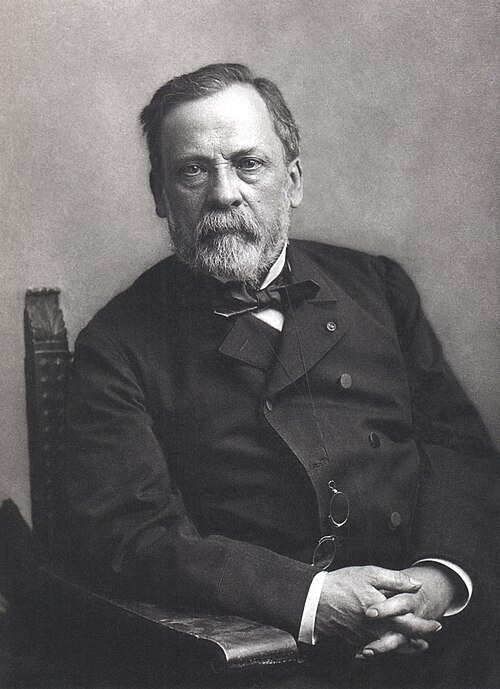 Louis Pasteur
(1822–1895: 73)
Pasteur believed that disease came from outside the body in the form of pathogenic bacteria. He argued that vaccines were necessary to prevent disease. This theory is highly convenient for pharmaceutical companies and has become mainstream in modern medicine.
Three of his five children died of typhus. He himself suffered a brain hemorrhage at 46 years of age, rendering him paralyzed on one side of his body. He finally died at the early age of 73. As one of the founders of modern medicine, the question remains: why couldn’t he do better?
Robert Koch and the Cost of Discovery
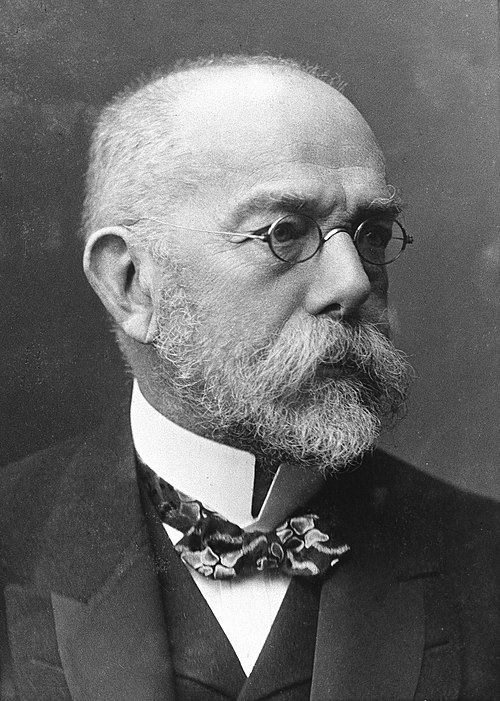 Robert Koch
(1843–1910: 66)
Another scientist recognized as one of the founders of modern medicine suffered a similar fate to that of Louis Pasteur. This was Robert Koch, the German physician and microbiologist whose work led to the development of Koch’s Postulates that establish the relationship between pathogens and their respective diseases.
Koch is best known for identifying the bacteria responsible for Anthrax and developing the precursor to the Petri dish. He was also awarded the Nobel Prize for his work on Tuberculosis. He travelled the world extensively, making discoveries in regions suffering from major epidemics.
Despite his massive contributions to modern medicine, he died at the early age of 66.
The Holistic Alternative: Antoine Béchamp
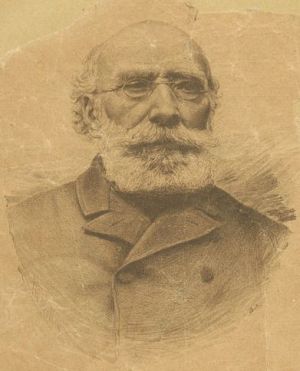 Antoine Béchamp
(1816–1908: 92)
In contrast to Louis Pasteur and Robert Koch, the founder of wholistic medicine, Antoine Béchamp*, lived to the ripe old age of 92.
Béchamp proposed the “Environmental Immunological Theory.” This suggested that maintaining a healthy internal environment actually promoted immunity against harmful bacteria. It stated that an acidic lifestyle or toxic food intake were major contributors to illness.
He argued that the environment in which one lived—and the air, food, and water consumed—were crucial factors to good health. The medical community of his time rejected this theory, there being no potential financial gain for the big pharmaceutical companies. However, his exceeding longevity for the time proved his case.
*Note: Referred to as "Besan" in some texts, but historically identified as Antoine Béchamp.
The Aquarium Analogy: Robert Young
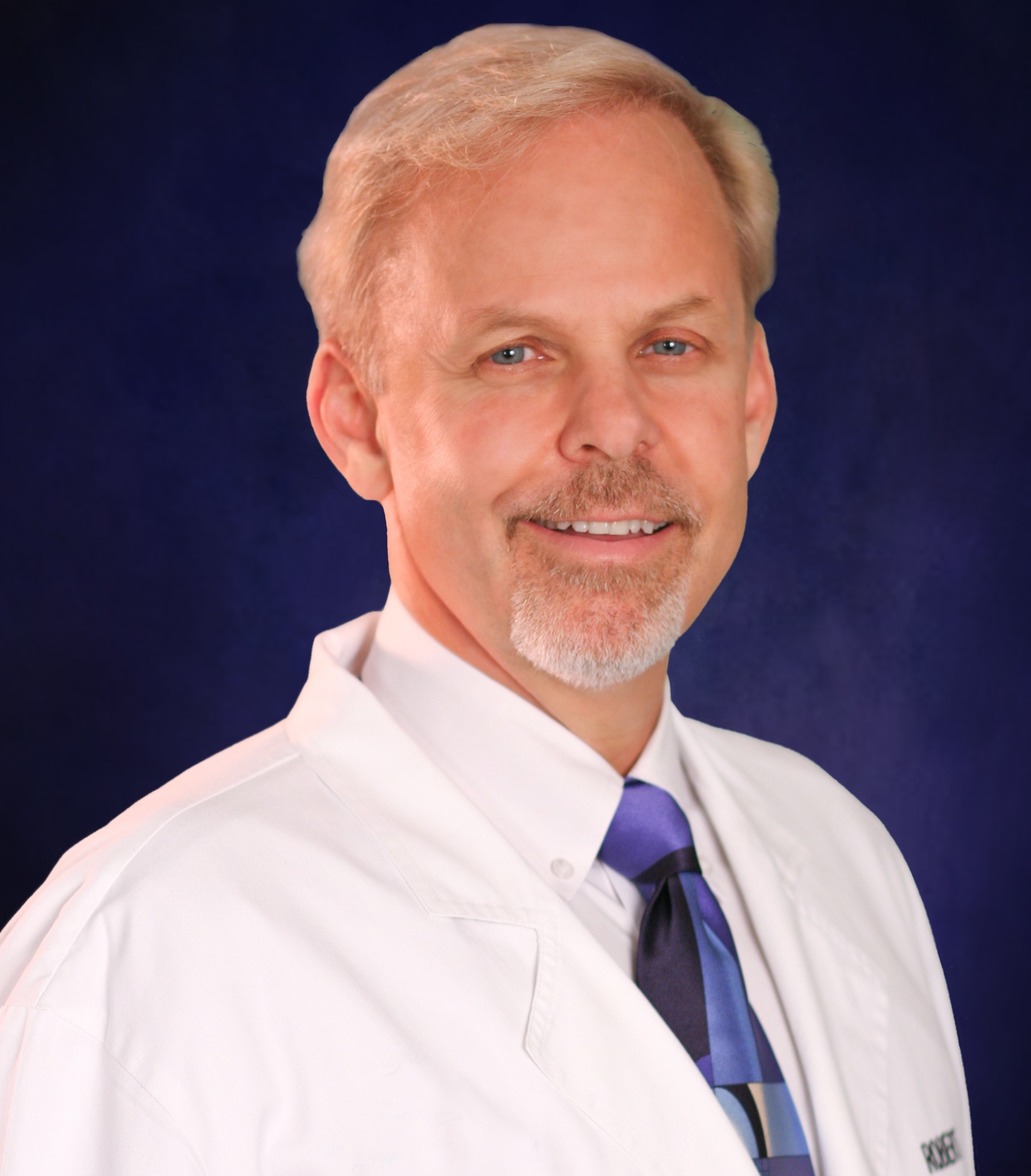 Robert O. Young
(1952-)
A modern day proponent of the wholistic approach is the American doctor Robert Young. He offered a compelling illustration to explain the difference in approaches:
"Just as a sick fish is treated by having its water changed, not through medication, we are better treated by improving the interstitial fluid in which our bodies’ cells live."
This perspective shifts the focus from fighting the external enemy to nurturing the internal ecosystem.